

Overview
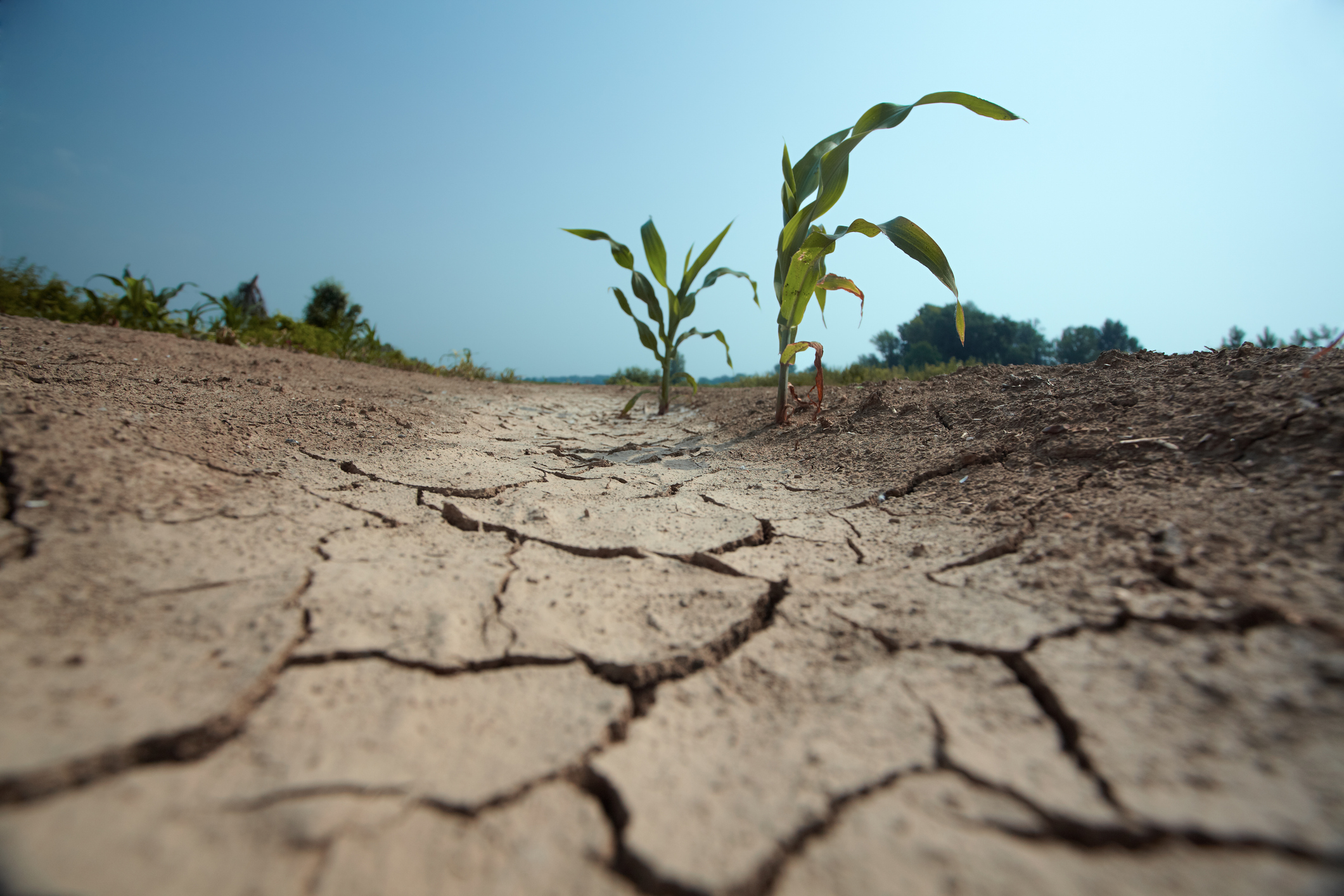
Droughts, similar to other natural disasters affecting public health, pose challenges in prediction, with their health consequences frequently overlooked or misunderstood. Public health initiatives and legal frameworks are crucial for readiness and reduction of drought’s health effects. They also foster greater awareness of the connections among scientific studies, policy formulation, and measures to safeguard human well-being.

Predicting droughts remains elusive, and their repercussions on health are commonly underappreciated. Certain regions experience routine dry spells, yet places dependent on consistent precipitation for agriculture or leisure activities can face substantial financial losses from brief dry periods at critical times. Typically, discussions around drought center on monetary damages, overshadowing the direct and indirect health consequences arising from both brief and extended episodes.
The Climate and Health team from the Network participated in the Drought and Health National Workshop, organized by the University of Nebraska Medical College and the Daugherty Water for Food Global Institute. The event delved into the underlying science of droughts, their effects on health, and strategies including policies and initiatives to counteract these impacts. Emphasizing multidisciplinary involvement, it incorporated viewpoints from communities, researchers, and policymakers. Attendees reviewed extensive scientific data on drought indicators and results, and held in-depth conversations on involving communities and various sectors, including a messaging framework tailored for public health experts.
Drought influences health through multiple channels: by compromising both the availability and purity of water resources, heightening chances of dust storms and wildfires that degrade air quality, triggering economic hardships with profound mental health ramifications, and elevating disease rates. Public health practices and associated laws are vital for anticipation and alleviation of these effects. They bridge scientific findings with policy creation, spurring protective actions for public welfare. The Network has previously addressed relevant policies in materials covering private well safety and testing, wetland conservation, and even box fans serving as homemade air purifiers—several of which could prove effective against drought-related health threats.
During the workshop, the Network showcased a poster outlining the range and implementation of specific state-level laws and policies mandating water quality assessments for private wells. Droughts can deplete water tables, concentrating contaminants in underground aquifers accessed by private wells. Irregular heavy rains amid dry spells can exacerbate this by flushing pollutants like coal ash, livestock manure, or agricultural fertilizers into these groundwater supplies. Absent knowledge of well water quality, residents and renters may unknowingly consume hazardous drinking water. State legislation can guarantee that those relying on private wells receive essential data to secure their supplies. Nevertheless, only a handful of states mandate testing for private wells, and even fewer compel landlords to test and disclose results to tenants. This information gap poses grave health risks, particularly for renters who are often younger, with fewer resources than owners, and carries health equity concerns since Black and Hispanic populations are disproportionately renters rather than homeowners.
As jurisdictions contemplate introducing or enhancing programs for private well sampling and safeguarding, key factors to weigh might encompass:
- Individuals or entities obligated to test well water quality;
- Health equity concerns for groups potentially hit hardest;
- Events or conditions prompting required testing;
- Natural calamities that could taint groundwater;
- Specific contaminants targeted in tests;
- Beneficiaries of the data—property owners, lessees, nearby residents?
- Handling privacy alongside data disclosure;
- Alerting stakeholders or the public about contamination; and
- Establishing protocols for cleanup and restoration.
The insights from the Drought and Health National Workshop reinforced the critical role of public health law in shielding populations from drought’s health burdens. It stands as a vital connector between research on drought’s health effects and the crafting of programs and policies equipping us against this erratic hazard.